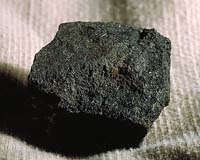
A fiery debate has been rekindled in Washington as US lawmakers mull proposed incentives to produce diesel fuel from coal. Backers of coal-based liquid fuels say they can help reduce US dependence on imported oil. Critics contend the use of coal in any form would lead to increased greenhouse gas emissions and other harmful environmental effects.
Synthetic motor fuel from coal has been around for decades, but interest has been growing as a result of the surge in petroleum prices. Some point to the experience in South Africa, which produces much of its transportation fuel from coal.
In the US Senate, a proposal to provide up to 10 billion dollars in loans for coal-to-liquid projects is gathering steam and may be attached to a wide-ranging energy bill, which would among other things mandate more ethanol production and increased fuel economy for automobiles.
Other proposals being studied in Congress could provide fresh tax credits and other incentives for coal-to-liquid fuels that can be used in cars, trucks and even airplanes.
The technology for using coal for liquid or "synthetic" fuel has been known since the 1920s, and Germany used it extensively during World War II. The process being studied now would convert coal into a gas to remove impurities such as mercury and sulfur and, in a second stage, into liquid fuels and other chemical products.
Corey Henry, spokesman for the Coal-to-Liquids Coalition, said that the overall process of making motor fuel from coal could result in lower greenhouse gas emissions if combined with technology to capture and store carbon gases.
"The question is whether people want clean fuel from our own coal or dirty imported oil," said Henry, whose coalition includes big energy companies, labor unions and the South African firm Sasol.
He said the carbon dioxide from the process could in some cases be pumped into oil fields for hard-to-recover reserves.
Henry said South Africa produces more than 30 percent of its transportation fuel from coal, proving that it can be practical, and that other countries including China are interested in efforts to replace oil-based motor fuels with coal.
But environmental activists worry about any move to increase coal use, saying the fuel leads to a variety of negative impacts from mining, processing and burning.
Ted Glick, coordinator of the US Climate Emergency Council, said that without carbon sequestration, liquid fuel from coal would lead to twice the level of emissions as from gasoline.
"Even with carbon sequestration coal is still worse than gasoline, and it would cost a tremendous amount of money," Glick said.
Glick said the 10 billion dollars proposed for coal-to-liquid technology would be better spent on alternatives such as wind power, solar energy and other conservation efforts.
For the auto sector, Glick said more effort should be concentrated in technology such as plug-in electric hybrid cars "not this old and dirty and destructive coal … going from coal to liquids is going backwards."
Bill Wicker, spokesman for the Senate Energy and Natural Resources Committee, said senators are trying to reach consensus on a loan program that could help coal conversion without increasing greenhouse gas emissions.
"Committee staff is actively trying to make a path forward to address both the issues of oil security and climate change," Wicker said.
He said committee chairman Senator Jeff Bingaman is "unwilling to look at one without the other."
Wicker said there is momentum in Congress to encourage clean-coal use and to take advantage of the abundant energy source in the United States that could replace imported oil.
The Senate leadership "recognizes that coal is and will be an important part of the nation's energy mix," Wicker said.
In the House of Representatives, Virginia lawmaker Rick Boucher offered a proposal to establish price guarantees for liquid fuels from coal to encourage production.
"By using one of our nation's most abundant natural resources, coal, to produce transportation fuels, we can address fuel cost concerns, make our nation less reliant on imports from politically unstable regions of the world and simultaneously benefit our domestic coal industry," Boucher said.
Source: Agence France-Presse