The business and technology of space.
Earth Observation

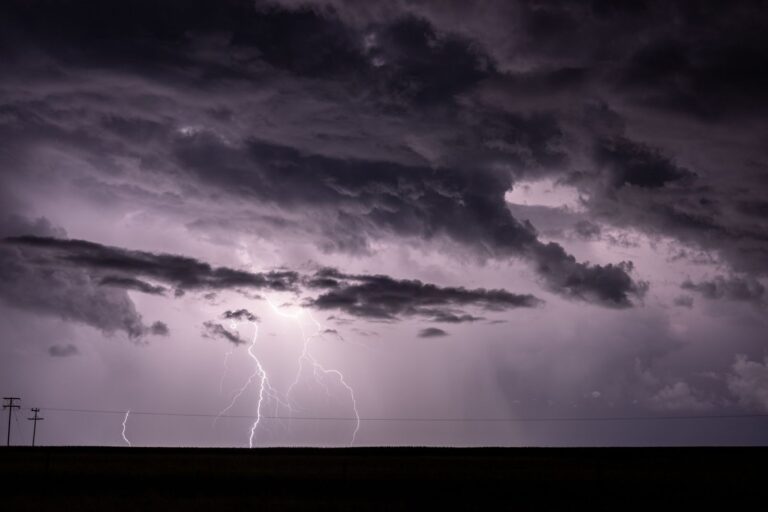
A single lightning flash recorded over the southern US in April 2020 stretched 768 kilometres across three states in a matter of seconds, a horizontal bolt long enough to reach from Boston to Washington DC, and satellite instruments only exist to measure it because ground observers cannot see that far

Nature's longest lightning bolt was invisible to the people beneath it, revealing how much of Earth's electrical drama unfolds beyond human perception.

Latest

All articles →
Terradaily

How did a Chinese plateau the size of France cut the yellow silt flowing into its downstream river from 1.6 billion tonnes a year to 300 million?

The Loess Plateau in north-central China, larger than metropolitan France, once sent 1.6 billion tonnes of silt into the Yellow River each year. A 1999 policy called Grain to Green — combined with tens of thousands of check dams and a nationwide grazing ban — cut that flow by close to 90 percent within two decades.

Tech Space

In 1962, NASA’s Mariner 1 Venus probe was destroyed just 294 seconds after launch when an Atlas guidance antenna fault exposed a missing overbar in the rocket’s ground-guidance program

On July 22, 1962, NASA's first interplanetary probe was destroyed 293 seconds after launch when a missing overbar in hand-transcribed guidance code caused the ground computer to fly the rocket off course. Arthur C. Clarke called it the most expensive hyphen in history.

Tech Space

In 1859, a solar storm now called the Carrington Event induced currents so strong in North American telegraph lines that operators disconnected their batteries and kept sending messages on the geomagnetic current alone, while auroras were reported as far south as Cuba

In September 1859, the largest geomagnetic storm on record induced currents so strong in North American telegraph lines that operators pulled their batteries and kept transmitting on solar-driven current alone, while red auroras were reported as far south as Havana.

What’s up in

SpaceMart

Commercial space, aerospace industry moves, Earth observation platforms, launch partnerships, investment, and the companies building the global space economy.

What’s up in

Tech Space

Space technology, advanced computing, microsatellites, robotics, semiconductor systems, and the hardware shaping next-generation space infrastructure.

What’s up in

Internet Space

Satellite internet, VSAT networks, communications infrastructure, orbital connectivity, and the systems bringing broadband and data services across the globe.

About SpaceMart

The business and technology of space.

SpaceMart is an independent publication covering commercial space, space technology, satellite internet, aerospace engineering, and the companies building the global space economy. The site pairs a deep archive with current reporting on the research, companies, policy shifts, and technical breakthroughs shaping commercial space infrastructure and services. We employ modern AI technologies to support our editorial workflows; every published piece is editorially directed and reviewed.

More about us →